FAQ: Common Cooking Mistakes and How to Avoid Them


Overcrowding the Pan
One common mistake that many home cooks make is overcrowding the pan. When you add too much food to a pan, you lower the temperature, leading to steaming rather than searing. This often results in food that is unevenly cooked and lacking in flavor.
To avoid this, cook in batches and ensure there is enough space in the pan for the heat to circulate properly. This will promote even cooking and help you achieve that perfect sear or sauté.

Overcooking Pasta
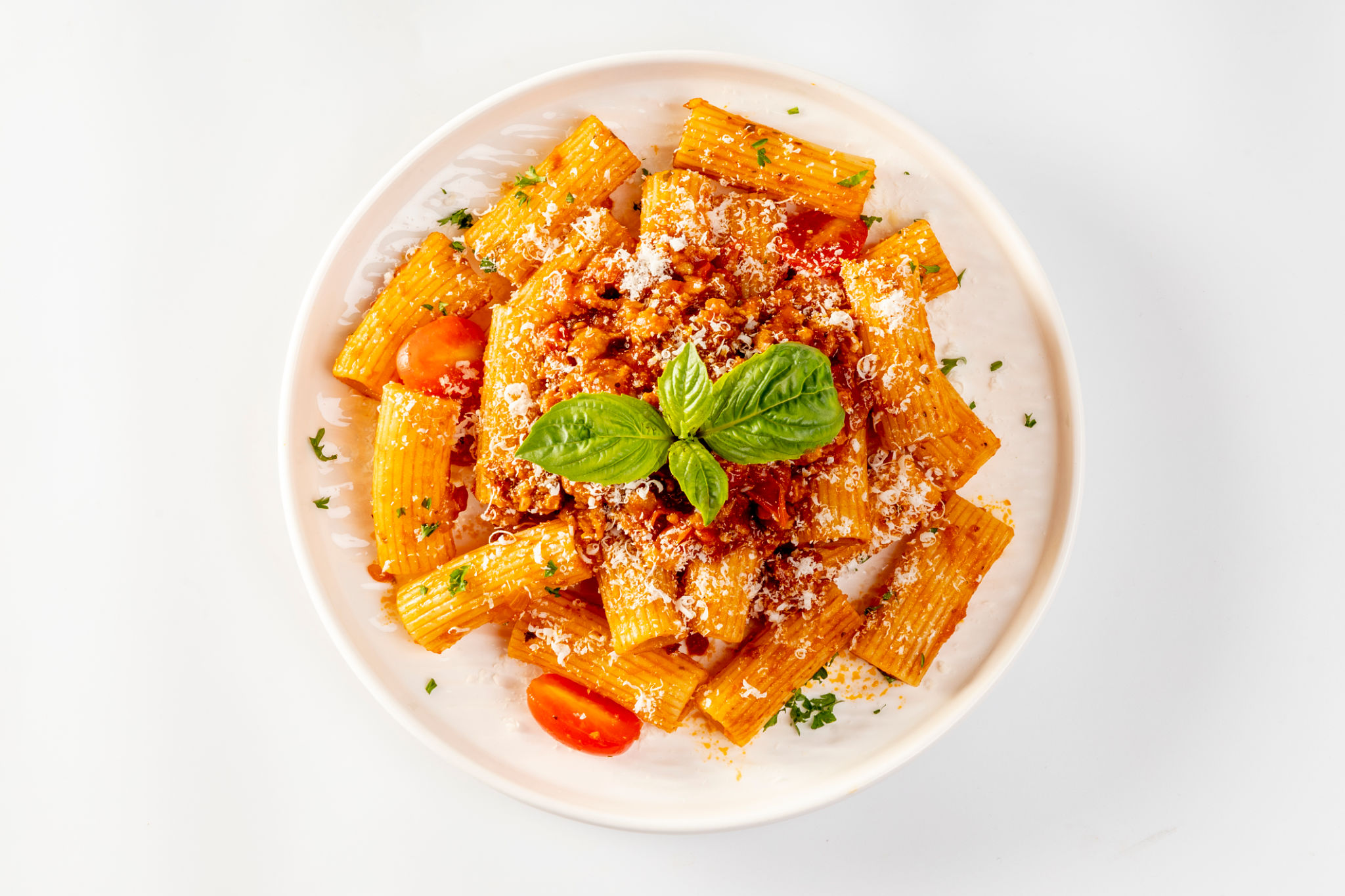
Overcooked pasta can turn a delightful meal into a mushy mess. The key to perfect pasta is cooking it to al dente, which means it should be firm to the bite. Always follow the package instructions for cooking times and test a piece a minute or two before the end of the suggested time.
If you're adding pasta to a sauce, undercook it slightly, as it will continue to cook in the sauce. This ensures a perfect texture when served.
Not Preheating the Oven
Skipping the preheat step is a mistake that can lead to unevenly cooked dishes. Preheating the oven ensures that your food starts cooking at the right temperature, essential for baking and roasting.
Always allow your oven to reach the desired temperature before placing your dish inside. Most modern ovens will indicate when they are preheated, so take advantage of this feature for optimal results.
Using Dull Knives
Dull knives are not only frustrating but also dangerous. They require more force to cut, increasing the risk of slipping and cutting yourself. Moreover, they can damage the texture of your ingredients, especially when chopping herbs or delicate produce.
Invest in a quality knife sharpener and maintain your knives regularly. Sharp knives make cooking more efficient and enjoyable, allowing for precise and safe cuts.

Ignoring Recipe Instructions
Recipes are there for a reason, and ignoring them can lead to disastrous results. Whether it's an ingredient list, cooking time, or temperature, each part of a recipe is crafted to ensure a successful dish.
Read through the entire recipe before starting and gather all your ingredients and tools. This preparation step will make the cooking process smoother and help you avoid unnecessary mistakes.
Overseasoning or Underseasoning
Achieving the right balance of seasoning can be tricky. Overseasoning can overwhelm the flavors, while underseasoning can leave a dish bland. The key is to season gradually and taste as you go.
- Start with a small amount of salt and spices.
- Taste and adjust as needed throughout the cooking process.
This approach will help you create dishes that are flavorful and well-balanced.

Not Letting Meat Rest
After cooking, meat needs time to rest to allow the juices to redistribute. Cutting into it too soon will cause these juices to escape, leaving your meat dry.
For best results, let meat rest for a few minutes before serving. Cover it loosely with foil to keep it warm during this resting period.
Using the Wrong Oil
Different oils have different smoke points, and using the wrong type can lead to burnt flavors. For high-heat cooking, such as frying, opt for oils with a high smoke point like canola or vegetable oil.
For low-heat cooking or salad dressings, olive oil or butter can be used to add flavor. Understanding the properties of various oils will enhance your dishes and prevent unwanted flavors.
